Two levels only: Delivered = something actually went live; Working knowledge = day-to-day work done independently, depth still growing.
My work sits on the foundation side: I can take an empty machine to an intranet environment with a queryable written baseline, and take a requirement to a system that ships, is maintainable and can be handed over.
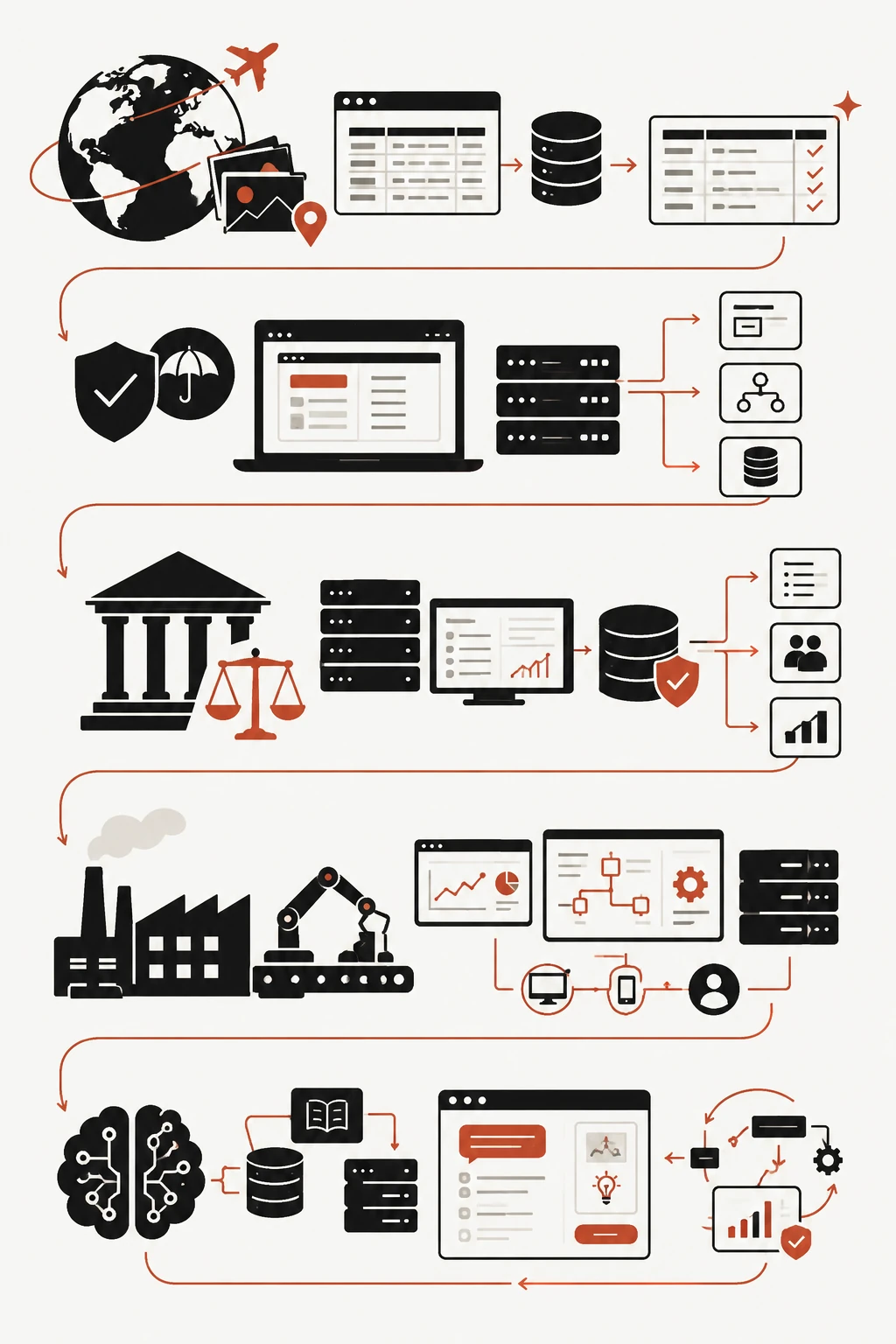
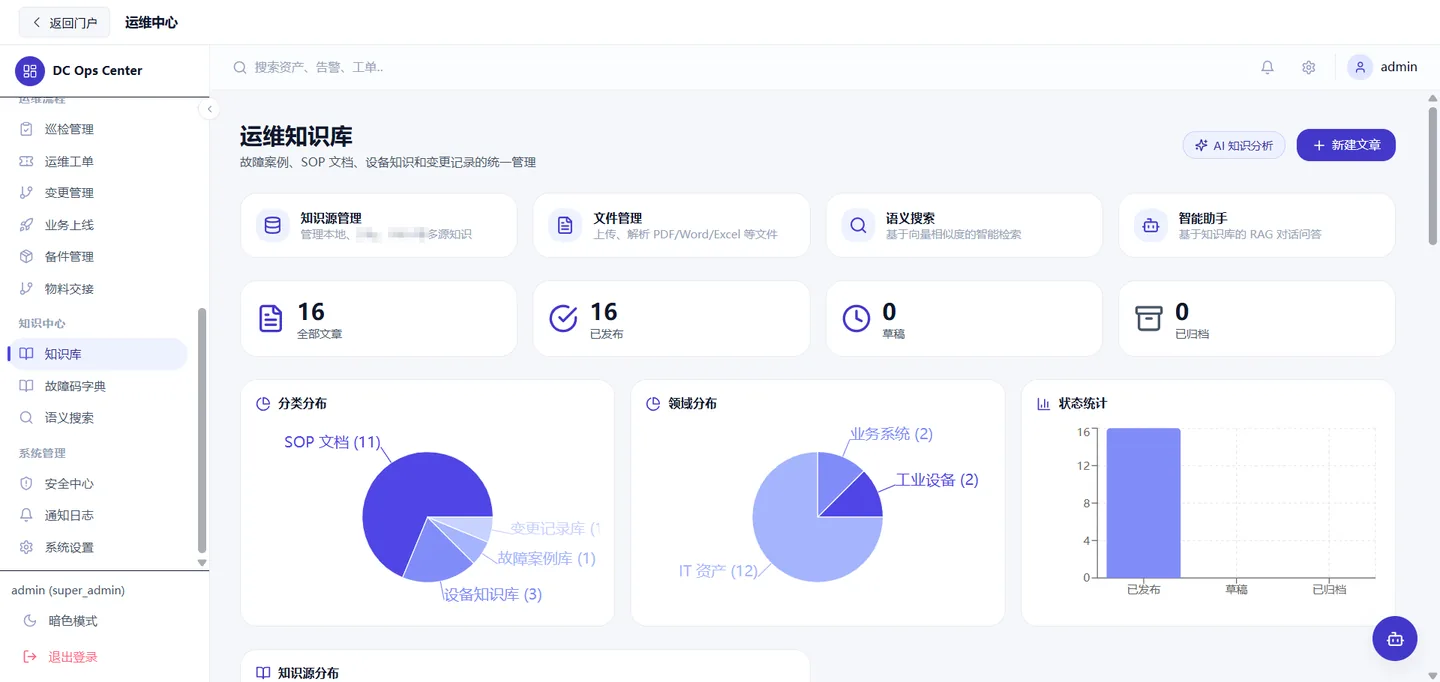
The infrastructure line runs deepest. One physical host runs an Ubuntu VM under Hyper-V with Docker inside; the virtualisation layer and the container host were stood up through staged runbooks, each written with pass criteria before its acceptance result was recorded. One gateway gathers every entry point, six containers in service: code forge, database, CI and dashboard. A push to main triggering a build through a webhook is proven; the test and deploy stages still wait on a real project. Databases are split per project, each with its own least-privilege role; backups are a daily script producing deduplicated encrypted snapshots, and one restore drill has actually been run; a read-only inspection script checks disk headroom, container health and backup logs once an hour. The edge stated plainly: backup volume and data volume sit on one array — logical separation, not physical.
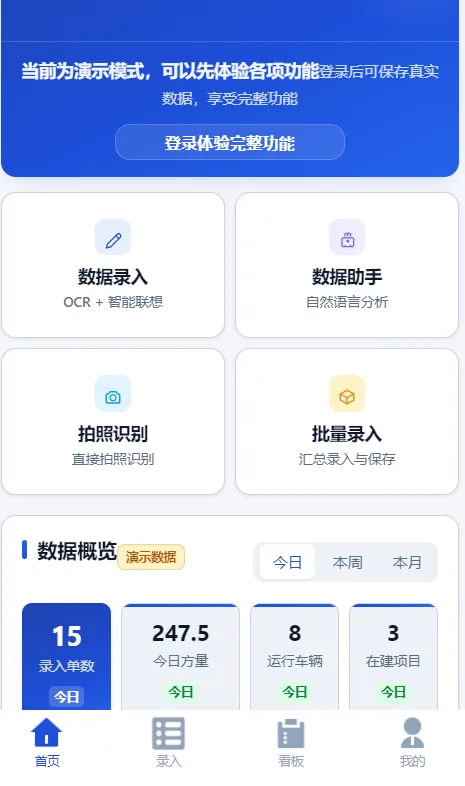
On the application side I finish a system end to end: back-end interfaces, database wiring and agreed semantics, front end carried from pages through to delivered interaction (Vue 3 for internal systems, Vite + React for this site), and on data: tables, SQL and reports. The finest stretch was aligning material and BOM conventions across systems, where cleaning rules, unique keys and rows needing manual adjudication are all written into the spec.
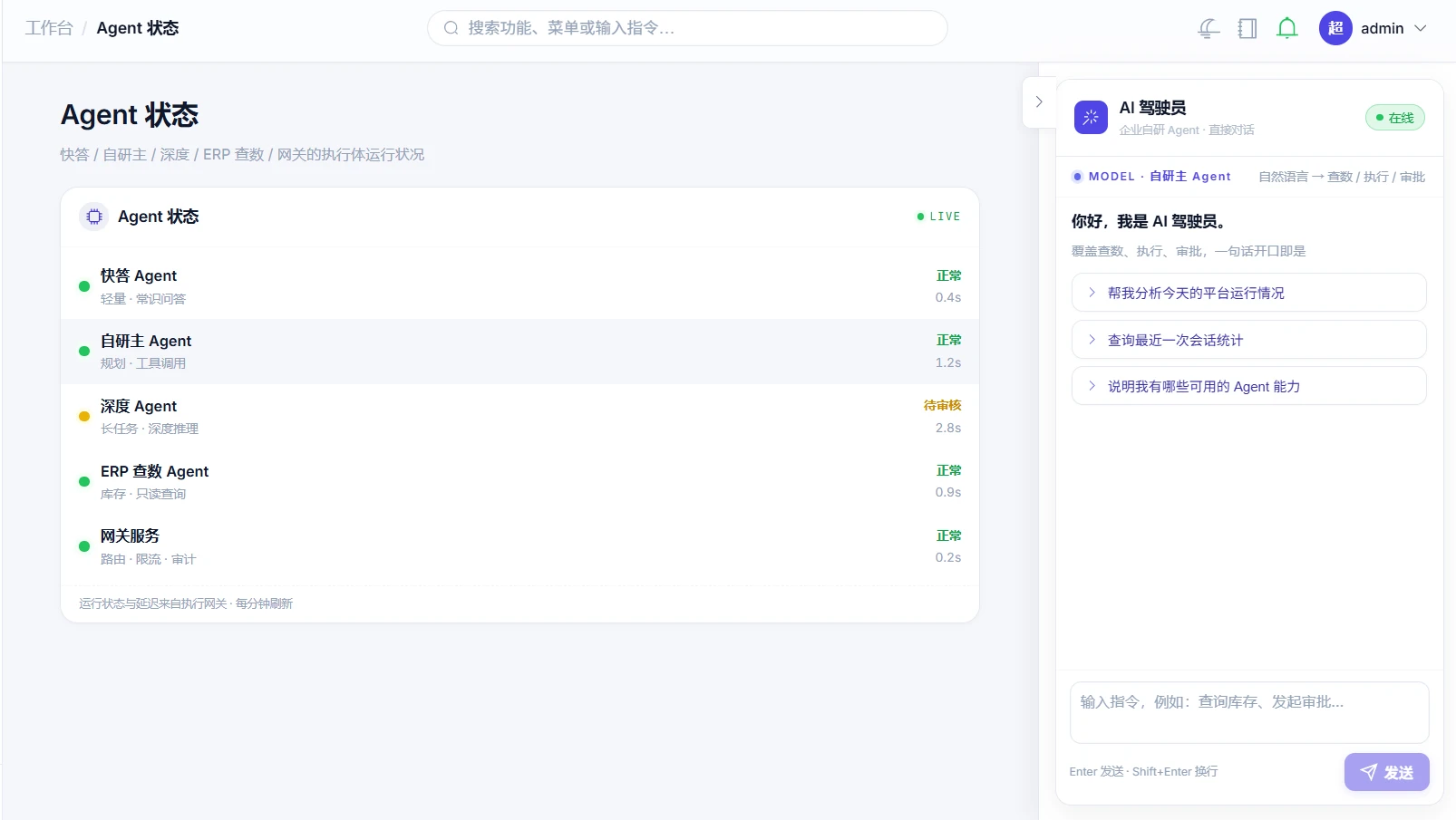
Working knowledge of AI: agent orchestration, retrieval Q&A, table and OCR recognition wired into real business flows — shippable, not claimed as mastery. My own engineering discipline: staged charters, an acceptance record per stage, documentation as the source of truth.